
The Hidden Costs of IT Downtime for Construction Project Timelines
Written By: Jon Kotman
Construction runs on schedules, and schedules run on coordination. Between architects, subcontractors, suppliers, inspectors, and the crews on-site, a single project depends on a constant flow of information moving to the right people at the right time. When the technology carrying that information goes dark, the effects ripple outward far faster than most firms expect, and the true price tag rarely appears on any invoice.
Most construction leaders can quickly name the obvious cost of downtime, which is idle time. But the deeper damage hides in the details: the rework caused by an outdated drawing, the missed inspection window, the subcontractor who shows up to a site that is not ready. In this article, we will dig into the hidden costs of IT downtime for construction project timelines and explore how a more resilient approach to technology protects both your schedule and your margins.
Why Construction Is Uniquely Vulnerable to Downtime
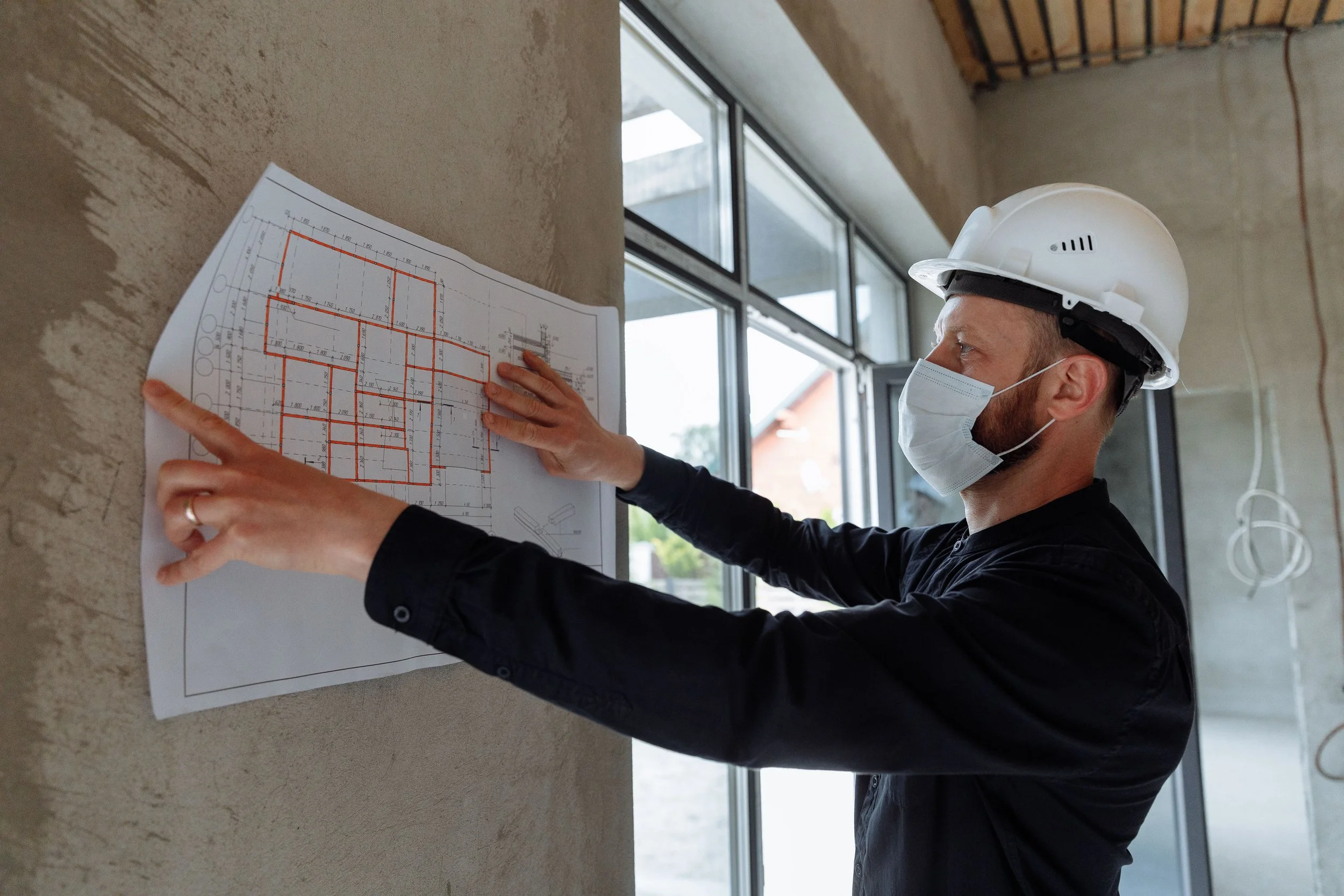
Construction operates in a way that few other industries do. Work happens across multiple locations at once, often in temporary conditions, and the pace is dictated by weather, permits, and tightly sequenced trades. A delay in one phase cascades into every phase that follows, which means technology problems do not stay contained to the office.
Modern jobsites also depend on far more technology than they did a decade ago. Cloud-based project management platforms, digital blueprints, daily reporting apps, and real-time communication tools have replaced clipboards and fax machines. That shift has made construction faster and more accurate, but it has also made connectivity and uptime mission-critical in a way that many firms have not fully accounted for.
When systems go down, the field and the office lose their shared source of truth. Crews may proceed on assumptions, decisions get delayed, and the careful choreography that keeps a project on schedule starts to fall apart. Reliable proactive IT support exists precisely to keep that choreography intact by catching problems before they reach the jobsite.
The Costs That Never Show Up on an Invoice
When people estimate the cost of downtime, they usually multiply idle labor hours by a wage rate and stop there. That number is real, but it captures only a fraction of the damage. The most expensive consequences of an outage are the ones that unfold quietly over the days and weeks that follow.
Consider how a few hours of lost access to your project systems can spread through an entire job. The direct costs are visible, but the indirect ones often dwarf them.
Rework From Outdated Information
When the current drawing set is unavailable, crews may build from an old version, and correcting that mistake costs far more than the original work.
Missed Inspection and Delivery Windows
Inspectors and material deliveries operate on fixed schedules, and a missed slot can push a project back by days.
Idle Equipment and Crews
Rented equipment and mobilized subcontractors cost money whether or not work is progressing.
Damaged Client Confidence
Repeated delays and communication gaps erode the trust that wins repeat business and referrals.
Compressed Schedules and Overtime
Lost time often has to be recovered later through premium-rate overtime to hit contractual deadlines.
Compliance and Documentation Gaps
When reporting systems are down, safety logs and daily reports may go unrecorded, creating liability exposure.
Add these together and a short outage can quietly consume a meaningful share of a project's profit. The firms that manage downtime best are the ones that recognize these hidden costs before they materialize, not after.
Where Downtime Hits Construction Timelines Hardest
Not every outage carries the same weight. A brief email hiccup during a quiet afternoon is an annoyance, while the same outage during a critical concrete pour or a coordinated multi-trade day can throw an entire week into disarray. Understanding where your firm is most exposed helps you invest your protection where it counts.
The highest-stakes moments tend to cluster around handoffs, when information must pass cleanly from one party to another. These include design revisions reaching the field, change orders getting approved, and inspection results being documented. A failure at any of these junctions can stall not just one task but every dependent activity downstream. Building resilience into these moments, supported by a solid business continuity plan, is what separates firms that absorb disruptions from those that are derailed by them.
Practical Steps to Protect Your Project Timelines
Reducing the impact of IT downtime does not require a massive overhaul. It requires a deliberate focus on the systems and moments that matter most to your schedule. The following steps offer a practical framework construction firms can put into action.
1. Prioritize Your Mission-Critical Systems
Begin by identifying which tools your projects genuinely cannot run without, such as your project management platform, document control system, and field communication apps. Ranking these by their impact on your schedule tells you where uptime is non-negotiable.
Once you know which systems are critical, you can direct your investment toward protecting them first, rather than spreading limited resources thinly across every application equally.
2. Ensure Fast, Accessible Support for the Field
Downtime on a jobsite cannot wait for a callback the next business day. Crews need a way to reach knowledgeable help quickly, whether the issue is a lost connection, a locked account, or a device failure. Responsive help desk services that understand the urgency of field work can turn a potential half-day delay into a ten-minute fix.
The faster a problem is resolved, the smaller its ripple effect on the rest of the schedule, which is why response time is one of the most valuable metrics a construction firm can track.
3. Build a Real Incident Response Plan
Hope is not a strategy when systems fail. Every firm should have a clear, documented plan for what happens when a critical outage occurs, including who to call, how work continues in the meantime, and how data is protected. Professional emergency incident response support ensures that when something serious happens, experienced help is already lined up rather than scrambled for.
A tested plan also reduces the panic and guesswork that often make outages worse, allowing your team to keep the project moving even under pressure.
4. Align Technology Spending With Project Realities
Technology decisions should reflect the way your projects actually run, including your busiest seasons and tightest deadlines. Thoughtful IT budget planning helps you invest ahead of demand rather than reacting after a costly outage has already hurt a job.
Planning spending around your project pipeline also prevents the false economy of cutting technology corners, a decision that frequently costs far more in lost time than it ever saves.
Working through these steps turns downtime from an unpredictable threat into a managed risk. The goal is not to eliminate every possible failure, which no one can promise, but to ensure that when problems arise, they are contained before they touch your critical path.
Turning Reliability Into a Competitive Advantage
Firms that treat technology reliability as a core part of project delivery gain more than fewer headaches. They gain a reputation for hitting deadlines, communicating clearly, and running organized jobs, all of which win future work in a competitive market. In an industry where margins are tight and reputations travel fast, that consistency is a genuine differentiator.
The same digital tools that create downtime risk also create tremendous opportunity when they run smoothly. From coordinated scheduling to real-time cost tracking, connected technology helps firms build faster and smarter. If you are curious about where these tools are heading, our article on the future of biometric security for construction site access control explores one area of rapid change worth watching.
Conclusion
IT downtime is rarely just a technology problem in construction. It is a schedule problem, a budget problem, and a client-relationship problem, and its true costs hide in the rework, delays, and lost opportunities that follow an outage. Firms that understand these hidden costs are far better positioned to protect their timelines and their profits.
The good news is that resilience is achievable with the right priorities and the right partner. If your firm is ready to stop treating downtime as an unavoidable cost of doing business, connect with the Kotman Technology team to build a technology foundation that keeps your projects moving, your crews productive, and your deadlines within reach.
Kotman Technology has been delivering comprehensive technology solutions to clients in California and Michigan for nearly two decades. We pride ourselves on being the last technology partner you'll ever need. Contact us today to experience the Kotman Difference.