
Preparing Farm Equipment and Irrigation Systems for Summer Heat Challenges
Written By: Jon Kotman
Summer in the Central Valley means long days, intense sunlight, and temperatures that routinely push well past 100 degrees. For agricultural operations, this is the most demanding season of the year, not just for crops and workers, but for the technology that keeps everything running.
Farm equipment, irrigation controllers, IoT sensors, and the IT infrastructure that ties it all together are all vulnerable to heat-related stress and failure. The time to prepare is before the first triple-digit day arrives, not after a critical system goes down in the middle of harvest. In this post, we will look at the specific risks that summer heat poses to agricultural technology and share practical strategies for keeping your operation resilient when the temperatures climb.
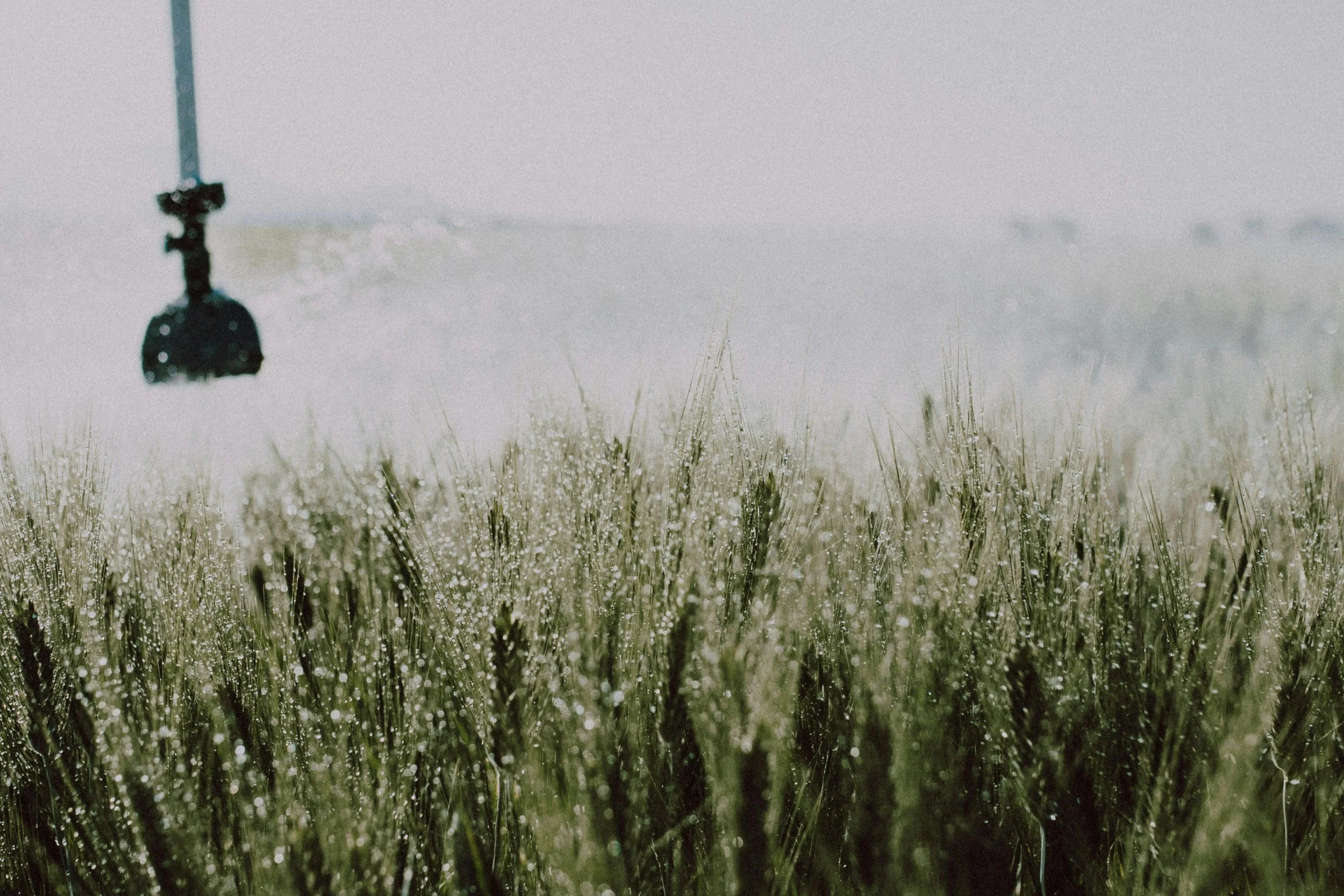
How Extreme Heat Impacts Agricultural Technology
Heat is one of the most persistent and underestimated threats to technology in an agricultural setting. While most people understand that extreme temperatures can affect crop health, fewer consider the toll that sustained heat takes on the electronic and mechanical systems that support modern farming.
Servers, networking equipment, and control panels that operate in sheds, barns, or outdoor enclosures are especially vulnerable. When ambient temperatures climb, these devices can exceed their rated operating ranges, leading to thermal throttling, shortened component lifespans, or outright failure. Hard drives, power supplies, and processors all generate heat during normal operation, and when the surrounding environment is already hot, the equipment's ability to dissipate that heat is severely compromised.
Irrigation controllers and remote monitoring stations are often installed in exposed locations where they face direct sun and ambient temperatures that far exceed indoor conditions. Wiring connections can degrade, battery-powered sensors can drain faster, and solar-charged devices may actually overheat and shut down despite having abundant sunlight. The irony is that the season when you need your irrigation technology the most is also the season when it is most likely to fail.
Understanding these risks is the first step. The second step is building a preparation plan that addresses them before they become emergencies.
Irrigation System Technology: Common Summer Vulnerabilities
Irrigation is the lifeline of Central Valley agriculture during summer, and the technology that manages modern irrigation systems is increasingly sophisticated. Variable-rate controllers, soil moisture sensors, weather station integrations, and remote monitoring dashboards all contribute to efficient water use. But each of these components also introduces a potential failure point.
Controller and Communication Failures
Irrigation controllers, especially those installed outdoors, are susceptible to overheating. When a controller fails or reboots unexpectedly, scheduled watering cycles can be missed entirely. For operations using remote management platforms, a communication failure between field controllers and the central system can mean that issues go undetected until crop stress is visible, at which point the damage may already be done.
Sensor Degradation
Soil moisture sensors and weather stations are designed to operate in outdoor conditions, but prolonged exposure to extreme heat can accelerate wear on electronics and batteries. Sensors that provide inaccurate readings are arguably worse than no sensors at all, because they give operators a false sense of confidence. Regular calibration and replacement schedules are essential, especially heading into the summer months.
Software and Firmware Considerations
The software platforms that manage irrigation scheduling also need attention. Outdated firmware on controllers can introduce bugs or compatibility issues, and software platforms that have not been updated may lack the latest features for heat-related alerts and adaptive scheduling. Keeping software and firmware current is a simple step that pays dividends when conditions get extreme.
Protecting IT Infrastructure in Field and Facility Environments
The IT infrastructure that supports agricultural operations often spans a wide range of environments, from air-conditioned offices to dusty, sun-baked equipment sheds. Each environment requires a different approach to heat management, and the weakest link in the chain can bring down an entire system.
For equipment housed in enclosed spaces, proper ventilation and cooling are essential. Even basic improvements like adding exhaust fans, installing shade structures, or relocating equipment away from south-facing walls can make a meaningful difference. Where critical systems like network switches and servers are involved, portable or dedicated cooling units may be justified during peak summer months.
Outdoor equipment requires a different strategy. Weatherproof enclosures rated for high temperatures, reflective housings, and elevated mounting positions that promote airflow all help protect field-deployed technology. Cable management is also important; cables that run along the ground or across hot surfaces can develop insulation damage that leads to short circuits or data transmission errors.
Power management is another consideration. Summer heat often coincides with increased demand on the electrical grid, and power fluctuations or outages are more common during heat waves. Uninterruptible power supplies and surge protectors help safeguard sensitive equipment from these events. For operations that rely on well pumps and irrigation controllers tied to the electrical grid, understanding your business continuity plan during power disruptions is critical.
Proactive Monitoring and Maintenance Strategies
The most effective way to handle summer heat challenges is to address them proactively, before they cause downtime or crop loss. A structured maintenance and monitoring program can catch developing issues early and keep critical systems running reliably through the season's worst conditions.
Here are five strategies for preparing your agricultural technology for summer heat:
1. Conduct a Pre-Summer Technology Audit
Schedule a comprehensive review of all field-deployed technology, irrigation controllers, sensors, networking equipment, and power infrastructure before summer arrives. Check for signs of wear, test backup systems, and verify that all devices are operating within their specified temperature ranges. A thorough IT audit before the heat sets in can reveal problems that are much cheaper to fix now than in the middle of July.
2. Implement Remote Monitoring and Alerting
Remote monitoring tools can track equipment temperatures, connectivity status, and performance metrics around the clock. Configuring proactive alerts for temperature thresholds, communication timeouts, and power anomalies gives your team the ability to respond to issues before they escalate. When a sensor goes offline at 2 AM during a heat wave, an automated alert is far more reliable than waiting for someone to notice during a morning walkthrough.
3. Establish Redundancy for Critical Systems
Identify the systems whose failure would have the greatest impact on your operation, and build redundancy into those systems. This may mean keeping spare irrigation controllers on hand, deploying backup communication links for remote monitoring, or maintaining a secondary power source for essential equipment. Redundancy is not about over-engineering; it is about ensuring that a single point of failure does not shut down your summer operations.
4. Update Firmware and Software Before Peak Season
Apply all pending firmware updates to irrigation controllers, sensor hubs, and networking equipment before summer heat arrives. Test updated systems to confirm they are functioning correctly, and document the current configuration of each device so that if a reset or replacement is needed, it can be done quickly.
5. Partner with an IT Provider Who Understands Agriculture
Agricultural technology operates in conditions that are very different from a typical office environment. Dust, heat, moisture, and remote locations all create unique challenges. Working with a managed IT provider that understands the agricultural context ensures that your technology strategy accounts for these realities rather than applying generic solutions that may not hold up in the field.
Taking these steps before the heat arrives puts your operation in a much stronger position to maintain productivity and protect your investment throughout the summer.
Preparing Your Team for Summer Technology Challenges
Technology preparation is only part of the equation. The people who operate and rely on these systems also need to be ready. Seasonal workers may not be familiar with monitoring tools or troubleshooting procedures, and even experienced team members benefit from a refresher before the most demanding time of year.
Consider holding a brief training session that covers how to recognize common signs of heat-related equipment stress, such as unexpected reboots, sluggish performance, or erratic sensor readings. Make sure that key team members know how to contact your IT support provider and what information to have ready when they call, including device location, model, and a description of the issue.
Documentation is also your friend. Clear, accessible guides for basic troubleshooting steps, such as how to safely restart an irrigation controller or how to check a sensor's battery level, can help field staff resolve minor issues quickly without waiting for technical support. This kind of preparation reduces downtime and keeps your team focused on what they do best: growing and delivering quality products.
Conclusion
Summer heat is an unavoidable reality for Central Valley agriculture, but technology failures do not have to be. With proactive planning, smart infrastructure choices, and a partnership with an IT team that understands the unique demands of agricultural operations, you can keep your equipment, irrigation systems, and monitoring tools running reliably through the hottest months of the year. Start your summer preparation now, and your operation will be stronger for it. Contact Kotman Technology to learn how we can help you get ready for the season ahead.
Kotman Technology has been delivering comprehensive technology solutions to clients in California and Michigan for nearly two decades. We pride ourselves on being the last technology partner you'll ever need. Contact us today to experience the Kotman Difference.