
Building Farm-to-Table Trust Through Transparent Agricultural Technology
Written By: Jon Kotman
Today's consumers want to know more about their food than ever before. Where was it grown? How was it handled? What practices were used along the way? For Central Valley growers and agribusinesses, this shift in consumer expectations represents both a challenge and a tremendous opportunity. The good news is that technology is making it possible to answer those questions with confidence, creating a transparent supply chain that builds trust from the field to the dinner table. In this post, we will explore how agricultural technology is enabling that transparency and what it means for businesses operating in one of the most productive farming regions in the world.
The Growing Demand for Supply Chain Transparency
Consumer behavior has shifted significantly over the past decade. Shoppers are reading labels more closely, seeking out brands that align with their values, and expecting proof behind claims like "locally sourced" or "sustainably grown." This trend is not limited to specialty or organic markets. Mainstream grocery buyers are also paying attention, and retailers are responding by demanding more documentation and traceability from their suppliers.
For Central Valley agribusinesses, this creates a real business imperative. Buyers want to know where a product was harvested, what conditions it was stored in during transit, and whether food safety protocols were followed at every step. Meeting those expectations manually, through paper logs and spreadsheets, is increasingly impractical at scale. Technology fills that gap by capturing, storing, and sharing supply chain data in ways that are both accurate and accessible.
The stakes are high. A single food safety incident can damage a brand's reputation for years. Conversely, businesses that can demonstrate clear traceability and transparency position themselves as preferred partners for retailers, distributors, and consumers alike. The investment in technology infrastructure to support this transparency is not just a cost of doing business; it is a competitive advantage.
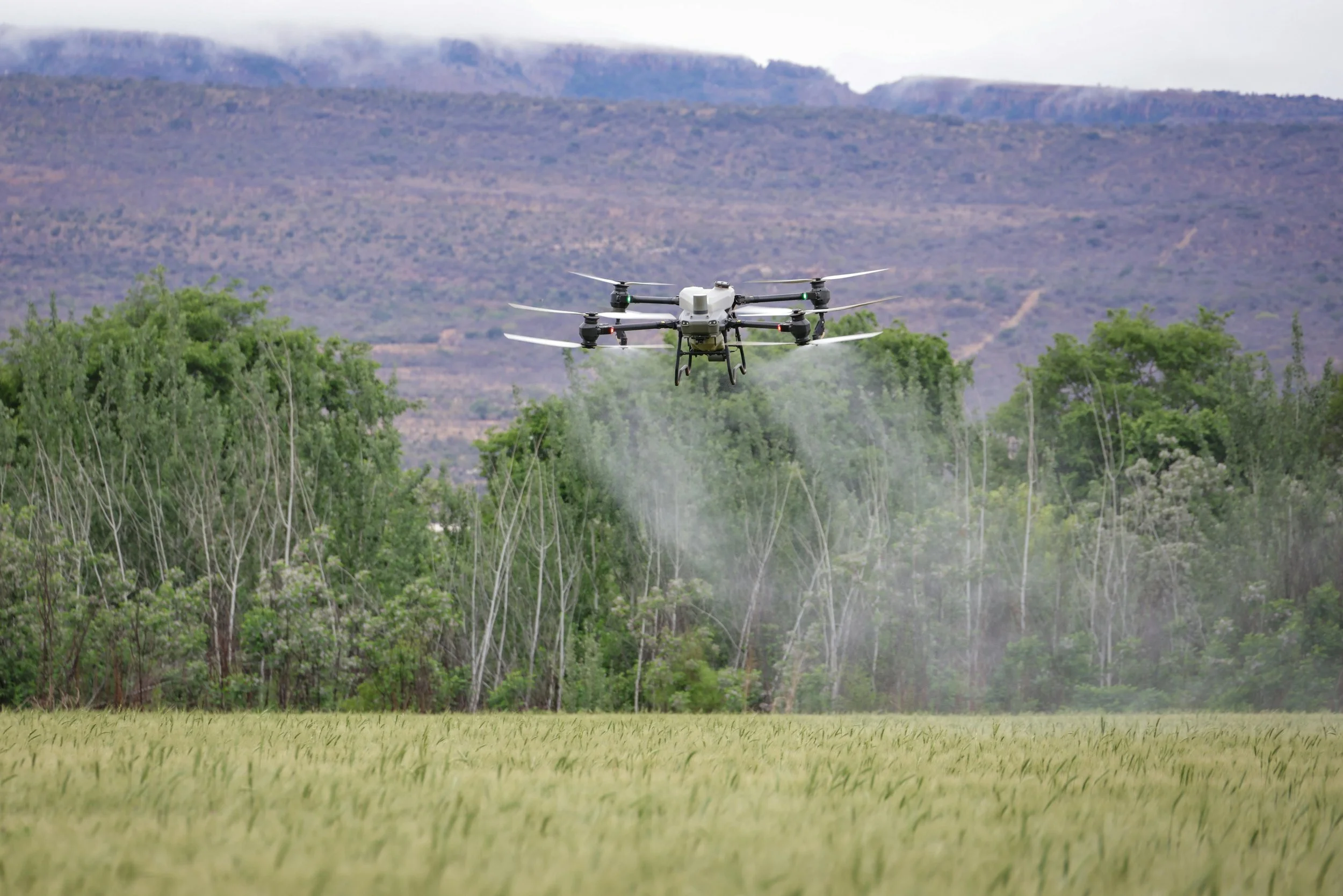
How IoT and Sensor Technology Enable Field-Level Visibility
The Internet of Things has transformed what is possible in agricultural monitoring, giving growers and producers real-time insight into conditions across their entire operation. Here are some of the key areas where IoT sensors are driving field-level visibility:
Soil and Crop Monitoring
Sensors deployed across fields and greenhouses can track variables like soil moisture, temperature, humidity, light exposure, and nutrient levels in real time, feeding that data automatically into centralized platforms where it can be analyzed and shared.
Water Usage and Irrigation Documentation
For a Central Valley almond grower, for example, IoT sensors can document the exact irrigation schedule and water usage for a specific block of trees throughout the growing season, turning that data into a compelling story of responsible water stewardship for sustainability-minded buyers.
Cold Chain and Post-Harvest Monitoring
Temperature monitoring during storage and transportation is an area whereIoT devices provide tremendous value, continuously recording conditions so that any deviation from safe ranges can be identified and addressed immediately, protecting both product quality and consumer safety.
Reliable IT Infrastructure as the Foundation
The key to making all of this work is a solid technology backbone, because sensors need to communicate with centralized systems, data needs to be stored securely, and platforms need to be accessible to the people who need them.
Each of these applications depends on thoughtful planning and dependable connectivity, and when the pieces come together, IoT gives agricultural operations a level of visibility that manual processes simply cannot match.
Traceability Platforms and Blockchain in Agriculture
Beyond sensors in the field, traceability platforms provide the software layer that ties the entire supply chain together. These platforms create a digital record of every touchpoint a product passes through, from planting and harvesting to processing, packaging, and delivery. When a retailer or consumer scans a QR code on a package, they can see a timeline of that product's journey, complete with dates, locations, and handling data.
Blockchain technology has gained attention in this space because it offers a way to make those records tamper-resistant. Each entry in a blockchain ledger is linked to the one before it, making it extremely difficult to alter historical records without detection. For food safety and regulatory compliance, this level of data integrity is highly valuable. If a contamination event occurs, traceability platforms can help pinpoint the source within hours rather than days, dramatically reducing the scope and cost of recalls.
Central Valley producers who invest in traceability technology are also better positioned to meet the documentation requirements of major buyers. Large retailers and foodservice companies are increasingly requiring suppliers to demonstrate end-to-end traceability as a condition of doing business. Having these systems in place before they become mandatory gives early adopters a head start and strengthens their supply chain relationships.
Cybersecurity and Data Protection in Agricultural Technology
As agricultural operations become more connected and data-driven, the importance of cybersecurity grows right alongside. Farm management platforms, IoT sensor networks, and traceability systems all generate and store sensitive data, including proprietary growing practices, customer information, financial records, and compliance documentation. Protecting that data is essential to maintaining the trust that transparency technology is designed to build.
Agricultural businesses face many of the same cyber threats as any other industry. Phishing attacks, ransomware, and unauthorized access are all risks that grow as more systems come online. The challenge is that many agricultural operations have not historically prioritized IT security with the same urgency as industries like finance or healthcare. That gap creates vulnerability, and threat actors are aware of it.
A layered approach to security is important. This includes network monitoring, endpoint protection, employee cybersecurity training, and access controls that ensure only authorized users can view or modify sensitive data. It also means having an incident response plan in place so that if a security event does occur, the organization can initiate and coordinate the response process quickly, working closely with the appropriate specialists and authorities to minimize impact.
For Central Valley agribusinesses, partnering with a managed IT provider that understands both the technology and the agricultural context is invaluable. The right partner can help design and maintain a security posture that protects critical data without slowing down day-to-day operations.
Practical Steps to Build Transparency into Your Operation
Implementing transparent technology across an agricultural operation does not have to happen all at once. A phased, strategic approach helps manage costs and complexity while delivering value at each stage.
Here are five steps to help your agribusiness start building technology-driven transparency:
1. Map Your Current Supply Chain
Before adding new technology, document your existing processes from field to delivery. Identify where data is already being captured, where gaps exist, and which touchpoints are most important to your buyers and regulators. This map becomes the foundation for a targeted technology investment.
2. Invest in Reliable Connectivity
IoT sensors and traceability platforms depend on consistent network connectivity. For rural operations and remote field locations common in the Central Valley, this may mean upgrading wireless infrastructure or exploring cellular-based connectivity solutions. Ensuring that your network management is solid is a prerequisite for everything else.
3. Choose Scalable Platforms
Select traceability and farm management platforms that can grow with your operation. Look for solutions that integrate with your existing systems and support industry standards for data sharing. Avoid tools that lock you into proprietary formats, as flexibility will be important as requirements evolve.
4. Train Your Team on New Systems
Technology is only effective when the people using it are confident and capable. Invest in training for field staff, warehouse teams, and administrative personnel to ensure they understand how to use new tools and why the data they capture matters. Building a culture of accuracy and accountability makes the entire system more reliable.
5. Review and Refine Regularly
Transparency technology is not a "set it and forget it" investment. Schedule regular reviews to evaluate system performance, data quality, and alignment with buyer requirements. Use the data analytics generated by your platforms to identify opportunities for operational improvement and to refine your transparency story over time.
These steps provide a practical roadmap for building the kind of supply chain visibility that modern buyers and consumers expect.
Conclusion
Transparency is no longer a nice-to-have in agriculture; it is a business requirement. Central Valley growers and agribusinesses that invest in the right technology, from IoT sensors and traceability platforms to robust cybersecurity protections, are positioning themselves as trusted partners in an increasingly discerning marketplace. The path from field to table has never been more visible, and the businesses that embrace that visibility will be the ones that thrive. If you are ready to explore how technology can strengthen trust in your agricultural supply chain, connect with Kotman Technology to learn how our team can help.
Kotman Technology has been delivering comprehensive technology solutions to clients in California and Michigan for nearly two decades. We pride ourselves on being the last technology partner you'll ever need. Contact us today to experience the Kotman Difference.